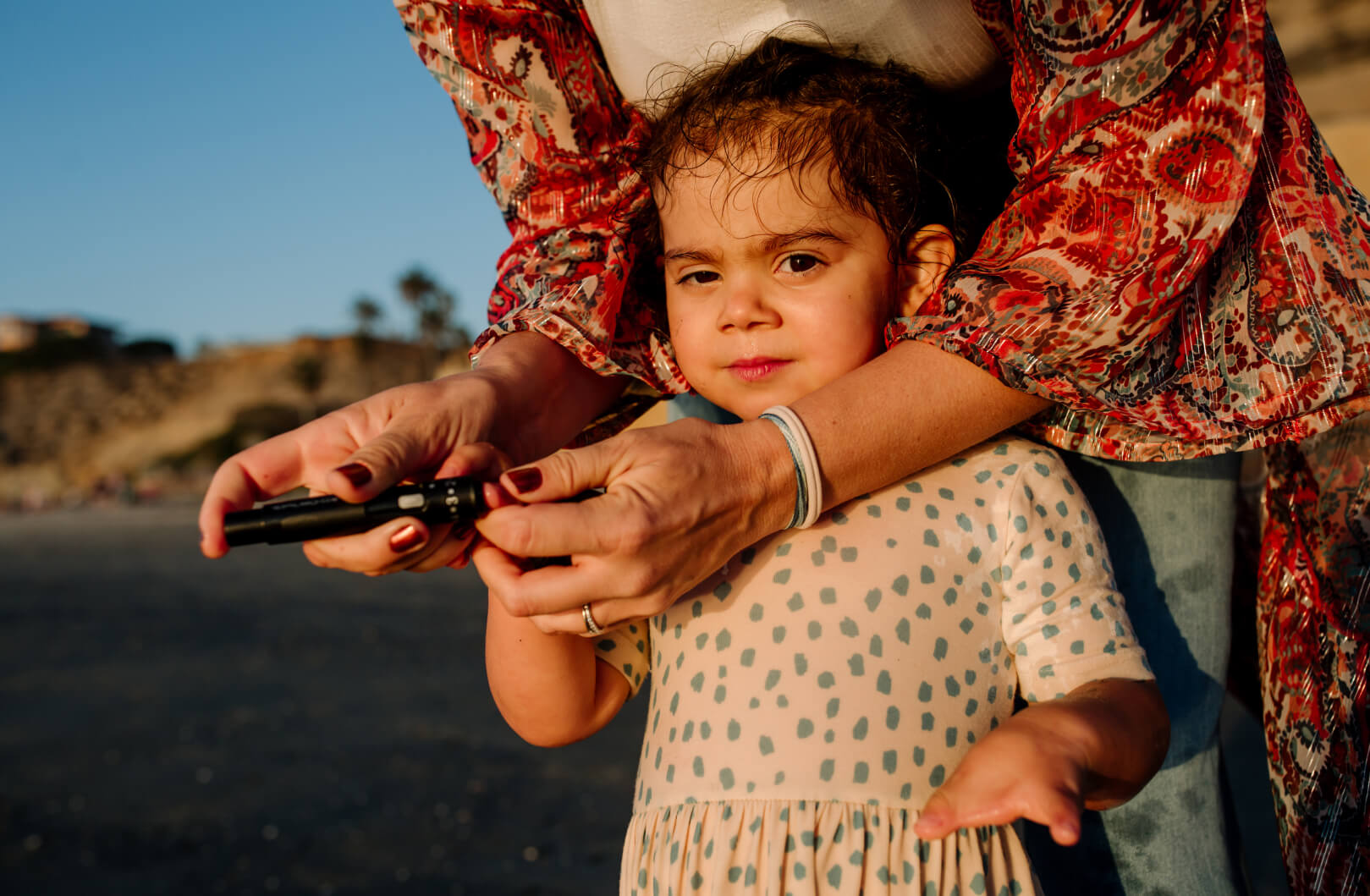
According to T1D Index Version 3.0, an estimated 9.5 million people were living with type 1 diabetes (T1D) across the globe in 2025, making it one of the fastest-growing non-communicable conditions today.
The T1D Index is a first of its kind data simulation tool that measures and maps the human and public health impact of T1D. The Index uniquely illuminates the human burden of T1D by highlighting “missing people” and “healthy years lost” to the condition.
Starting with its 10th edition, the IDF Diabetes Atlas uses the T1D Index for its type 1 diabetes estimates.
T1D has a profound human, emotional, and financial burden for those who live with it – and that burden is rising rapidly. However, simulations from the T1D Index have identified four key interventions that could change the current trajectory of T1D and its impact on people around the world. The T1D Index helps shine a light on the challenges we face, giving us a chance to act now.
How was the T1D Index developed?
The simulation is informed by 400+ publications around the globe (dating back to 1890) and a global survey of more than 500 endocrinologists. These data sources have been fitted to mathematical and machine-learning models that speak to:
Rates of new cases
The risk of complications and mortality
Prevailing standards of medical care
The T1D Index simulations provide the most accurate estimate of T1D currently available with version 1.0 testing to +/- 6 percent against real-world data. This is a significant improvement from leading existing estimates that test to +/- 35 percent against the same data.
The T1D Index and accompanying research has been published in one of the most trusted medical journals, The Lancet Diabetes and Endocrinology. The latest results, from T1D Index Version 3.0, were published in Diabetes Research and Clinical Practice in 2025.
This work is the basis for a publicly available, open-source model that will be updated annually as further incidence, prevalence, and mortality data become available. In future releases, the Index will expand to include T1D’s impact on economic costs, mental health, and quality of life. The data will also be broken down at regional and demographic levels.
If you have ideas or data that may improve the T1D Index, please let us know at hello@t1dindex.org and sign up to be involved in future model development.
Who’s behind the T1D Index?
The Index was developed collaboratively by Breakthrough T1D, Life for a Child, International Society for Pediatric and Adolescent Diabetes (ISPAD), International Diabetes Federation (IDF).
These organizations represent part of the diverse global diabetes community, and this coalition is committed to working together to expand this partnership.
Our aim is to provide robust, credible data that inspires action and helps save and improve innumerable lives.
Founding T1D Index Partners
Breakthrough T1D is the leading global organization harnessing the power of research, advocacy, and community engagement to advance life-changing breakthroughs for type 1 diabetes (T1D).
“As a member of the T1D community, I know many are not as fortunate as I am to have the resources necessary to live a healthy and fulfilled life. This is why I am so proud that significant progress has been made to understand T1D’s global impact through the T1D Index. We are calling on government and public health decision makers throughout the world to utilize the tool to identify and implement interventions that can change the trajectory of T1D.”
Life for a Child supports children and young people living with diabetes in under-resourced communities. They partner with local clinics in 44 countries and work to ensure every young person has access to the insulin and supplies they need. Life for a Child’s vision statement is, “No child should die of diabetes.”
“It is critical to know the number of people with T1D so that sufficient resources are allocated and advocacy efforts optimized. In this regard, the T1D Index is a truly novel initiative with enormous promise. It builds on the modeling work developed by Life for a Child and the University of Pittsburgh, as well as the work behind the IDF Atlas, a global survey by ISPAD, and various other data sources. Breakthrough T1D’s inputs of a larger vision, advanced statistical methods and new ways of looking at the situation, have led to a robust method of generating information on current and projected future situations concerning T1D at all ages for all countries. The Index will also be able to model the impact of proposed interventions. The open-source nature greatly enhances the usability. Life for a Child is providing extensive technical guidance and support, and will continue to do this as the Index develops.”
The International Diabetes Federation (IDF) is an umbrella organization of over 240 national diabetes associations in 160 countries and territories. IDF is engaged in action to tackle diabetes from the local to the global level, representing the interests of the growing number of people with diabetes and those at risk.
“More than 100 years have passed since the first successful use of therapeutic insulin. It shames the world that early diagnosis and access to appropriate standards of care are still not universally achieved. Providing the evidence is key to helping the global diabetes community to raise awareness and demand action to bring about the increased investment in access, treatment, and prevention that is required.
The launch of the Index is timely and welcome. It places an innovative tool in the hands of diabetes advocates everywhere. It will help reframe the argument around access to care for people living with T1D and draw attention to the significant disparities that continue to exist globally.
The International Diabetes Federation (IDF) is delighted to have contributed to the development of the Type 1 Diabetes Index and will support its promotion and further development to make the case for uninterrupted access to affordable insulin, along with the technologies and education that support successful insulin therapy for all people living with T1D.”
ISPAD is the International Society for Pediatric and Adolescent Diabetes. The mission of ISPAD is to create a better world for children, adolescents, and young adults with diabetes. Additionally, ISPAD, in partnership with Breakthrough T1D, funds the annual Allan Drash Clinical Fellowship, which gives members based in developing and middle income countries the opportunity to expand their clinical experience in diabetes management.
“The T1D Index is a powerful resource. It provides the metrics on type 1 diabetes to advocate and drive change with our partners and the community. The index highlights the disparities and needs of those with T1D around the world. Lives are lost, and days lost due to diabetes, its burden of care and its complications. ISPAD, the International Society for Pediatric and Adolescent Diabetes with a global membership of over 1,100 members in 107 countries, has been delighted to work on this project. It has developed and enabled the survey “The Global State of T1D” with Breakthrough T1D and LFAC, contributing to the numbers with diabetes, the numbers undiagnosed and thus lost; and the time lost to type 1 diabetes and its care in our member countries. We look forward to the next phase of action with the T1D Index with our partners.”
T1D Index Core Team
Dr. Fei Wang, T1D Index Principal Data Scientist.
Dr Wang/Fei specializes in data interrogation and algorithm development. Dr. Wang works at Breakthrough T1D.
Dr Graham Ogle, T1D Index Clinical Aspects and Epidemiology.
Dr Ogle/Graham works for Diabetes Australia as General Manager, Life for a Child.
Professor Dianna J Magliano OAM, Co-chair of the IDF Diabetes Atlas, Head of Diabetes and Population Health, Baker Heart and Diabetes Institute.
Dr David Maahs, ISPAD representative. Dr Maahs is a Professor of Pediatric Endocrinology at Stanford University.
Dr. Stephanie Pearson, specializing in global health policy and advocacy, serving as Associate Vice President of Global Responsibility at Breakthrough T1D.
Dr Jayanthi Maniam, Statistics and Systematic Reviews Specialist. Dr Maniam/Jayanthi works for Diabetes Australia as Research Officer, Life for a Child.
Dr Aveni Haynes, Epidemiology specialist. Dr Haynes/Aveni works for Diabetes Australia as Research Associate, Life for a Child.
Renza Scibilia, specializing in communications and advocacy, serving as Director of Community Building & Communications, Global Responsibility at Breakthrough T1D.
“The T1D Index permits to finally understand and act on the challenges faced by people with type 1, their families, and communities globally and by country. I expect to see advocate and decision makers using it broadly to immediately start to improve the critical T1D situation.”
“The T1D Index is innovative in showing the real impact of T1Diabetes in people’s lives, and also will play a major role in providing extremely useful data, allowing countries to establish new policies to fight the burden and outcomes of the disease. I was very fortunate to be involved with the development of Brazilian data (via the Brazilian Diabetes Society) together with dear colleagues, and also working as an ISPAD Executive Board member, one of the partners of this initiative.”
“The T1D Index is a ground breaking project which for the first time has established the full extent of T1 diabetes. It provides important country level information which can be used to reduce the T1 burden for individuals, their family and the health system.”
Jeremiah B Cooper Liberia
Dr Carine de Beaufort Guest professor, Pediatric Diabetologist –Endocrinologist ISPAD President 2020-2022, Luxembourg Co-author
“ISPAD is a global scientific society with a focus on all forms of diabetes in children, adolescents and young adults. Its vision is to create a better world for this population. Active involvement of ISPAD membership has supported the development of the Global T1 Index. Now we need to move forward together to change and improve outcome, at diagnosis, treatment and prevention of acute and late complications.”
Professor Kim Donaghue The Children’s Hospital at Westmead and University of Sydney Australia Co-author
“As then ISPAD President I became involved in this important work, in particular the development and facilitation of the Survey in 2020 with Breakthrough T1D on the Global State of Diabetes. This information is a powerful tool to drive change and awareness of the burden of diabetes”.
Dr Ileana E Gill Co-founder Guerreros Azules Venezuela
“The T1D Index represents a once in a lifetime opportunity to put the most accurate real-time data in the hands of advocates and key stakeholders from across the globe. Harnessing the power of data and making it accessible to all, allows the T1D community to have an even louder voice and will help further their efforts to influence change. As a member of Breakthrough T1D’s Global Access team, I am so unbelievably proud to be involved in this work and looking forward to what comes next.”
“Being a past president of ISPAD and current steering member of LFAC, I think it is vital to have accurate numbers of the incidence and prevalence of type 1 diabetes in youth. We need to know how common deaths are in order to find these individuals in time to give them proper care.”
“Living with type 1 diabetes for 25 years and working in the industry for seven, illustrative data drives every meaningful piece of my work. From collaborations on life-sustaining medications and tools to advocating for more equitable access to care, everything we are working toward is made stronger with accurate numbers that show the true impact of this disease across the world.”
“This is an admirable piece of work from Breakthrough T1D attempting to tackle a huge problem worldwide- and shining a light not only on the scale of the problem- but also with suggestions tailored to different countries. Its great to be involved with this- and hopefully this will help stimulate global improvement in T1D care”
“Evidence-based advocacy for T1D is for everyone, but the ins and outs of this type of advocacy are sometimes over complicated and inaccessible for the people who could use it most. The beauty of the T1D Index to me, is not just that it is the most compelling tool to date making the case for increased investment in global T1D care, but in its person-centered approach in which evidence-based advocacy is democratized for anyone to use.”
George Kwayu Chairman, Tanzania Diabetes Youth Alliance Tanzania
“TDYA is involved in educating the general public on Type 1 Diabetes in order that every young person with T1D should be able to live a healthy lifestyle, free of stigma, with controlled blood sugar levels, and achieve their goals in life.
We are developing education and training programs for primary and secondary schools, making use of the Mass media, organizing fund-raising activities, conducting regular youth leadership training camps, and peer-to-peer counseling centers, developing microfinance support for further education, and cooperating with the Ministry of Health.”
Sarah E. Linklater (née Allan) PhD Canada Co-author
“The Index provides much-needed definition to what has long been a blurry and incomplete picture on the global burden of T1D – and the results are striking. It’s been a privilege to contribute to this initiative, which will be a catalyst for countless initiatives aimed at improving and saving lives impacted by T1D.”
“We are delighted to be able to contribute to the T1D index. I led the work on the recent systematic review on incidence of type 1 diabetes in adults for the IDF Diabetes Atlas. This highlighted the paucity of data on type 1 diabetes in adults, as well as the surprisingly high rates in late adulthood. The T1D index builds on the data collected from our systematic review, and provides a comprehensive estimate of the global burden of type 1 diabetes in different parts of the world. The T1D index highlights the urgent need to better identify adults presenting with diabetes who in fact have underlying T1D. It will no doubt be an invaluable resource for healthcare professionals as well as health organizations for advocacy and healthcare planning.”
“I was very excited to be involved in the generation of the T1D Index. Understanding the burden of type 1 diabetes for the world to date has been challenging. Such information is crucial, not only to increase the awareness of type 1 diabetes, but also to inform public health policy, improve delivery of care and ultimately the quality of life for people with type 1 diabetes.”
“As president-elect of the Brazilian Society of Diabetes (SBD) for the term 2020/2021, I was contacted by Breakthrough T1D’s senior staff Dr. Sanjoy Dutta in 2019 regarding the initiation of cooperative works between Breakthrough T1D and SBD. A meeting followed in 2020 with Mr. Mike Wilson, and arrangements were then made for development of the comprehensive Brazilian T1D epidemiological data by SBD. In 2021 I was honoured to coordinate an online workshop involving SBD’s Epidemiology Department and Breakthrough T1D’s T1D Index research staff, during which the updated Brazilian data were presented. A rich and hopefully lasting interchange followed between SBD and Breakthrough T1D.”
“Data helps paint pictures – vivid pictures that are easy to understand and connect with. The T1D Index is bringing to life – finally! – the challenges that people with Type 1 diabetes face all over the world. As a South African with Type 1, I’m excited to see how this can advance our advocacy efforts so that we can improve the lives of people with Type 1 in SA.”
Karla F S Melo, PhD in Endocrinology and Metabolism, Coordinator of the Public Health Department from the Brazilian Diabetes Society, Brazil
“It was an honor and a pleasure to contribute to the T1D Index, sharing information about Brazilian public health policies on diabetes, their results and ongoing initiatives. The data to be published in the T1D Index are very important for further elaboration of strategies to improve the health and quality of life of people with diabetes.”
“I wish to congratulate the authors of the T1D Index. This is the first such compilation internationally and shows the huge burden of type 1 diabetes in different parts of the world. I am particularly concerned that India has one of the largest numbers of T1D, both below, as well as, above 20 years of age. It is also worrying that the remaining life expectancy in those with T1D in India is only 24 years, compared to 69 years in Japan and 67 years in Australia. This points to the need for improving the control of T1D in developing countries like India”.
Dr Graham Ogle General Manager, Life for a Child Program Diabetes NSW, Australia Co-author
“I am delighted to have participated in the development of the T1D index. It is a truly novel initiative which will greatly assist advocacy, awareness, and resource allocation, and thereby potentially saving thousands of lives and extending the lives of tens of thousands more.”
“T1D Index is truly a groundbreaking initiative that will change the face of T1D globally. I am very pleased and honoured to be part of this important work. Let’s take on T1D together!”
Anna Pank Director, Global Responsibility, Breakthrough T1D
Professor Trevor J Orchard MD, M Med Sci, FAHA, FACE United States of America Co-author
“I was involved mainly in terms of the epidemiology input, particularly as regards consideration of mortality rates utilizing both our Pittsburgh data and that acquired in Rwanda. The index will allow, in addition to supplying essential health care planning needs, the recognition of the increasing burden of T1D in income challenged countries”
Christopher C Patterson Honorary Professor of Medical Statistics and Epidemiology, Queen’s University Belfast, United Kingdom
“The T1D Index incorporates welcome methodological developments which refine previous attempts to estimate worldwide numbers with type 1 diabetes. These include estimates made by colleagues and myself for childhood and adolescence in the International Diabetes Federation Atlas and estimates for all age-groups made by a WHO working group. “
“The T1D Index is an ambitious global coalition that brings together researchers, advocates and people living with T1D from around the world. While the data is ground-breaking and reveals for the first time the significant global impact of T1D, it is the unprecedented collaboration that drives this work which is the most promising development for people everywhere who live with the condition. We hope this effort continues to shine a light on T1D and empower people and decision makers to act now and turn the tide of T1D.”
Professor Marian Rewers MD PhD United States of America
“I had the pleasure to review the United States T1D data for the Global T1D Index. The authors created a fantastic comprehensive global picture of T1D by showing the size and growth of T1D in countries around the world and how these numbers are changing over time.”
Tom Robinson VP Global Access, Breakthrough T1D Australia Co-author
“We hope that these country-level modelling results will be used by policy makers, researchers, and healthcare professionals alike to build initiatives that improve surveillance of T1D worldwide and encourage Universal health coverage programs, so that T1D care is available and affordable to all, addressing the substantial global burden of this disease.”
” I am thankful to Breakthrough T1D for choosing me as a spokesperson from India. T1D index is a huge work that showcases the importance of prompt diagnosis, access to insulin and test strips, self-management tools and access to technology. With this research work, further exploration can be done, which can help us restore the quality of life of everyone living with type 1 diabetes. This can change the numbers and stories.”
“The T1D Index is a truly remarkable resource, providing a clear picture of the impact of type 1 diabetes around the world, while also being a brilliant resource for diabetes grassroots and community advocacy. I’m honoured to have contributed to discussions about communication and language. Congratulations to Breakthrough T1D for leading this important work.”
“As people living with diabetes, our voices are still very underrepresented in research. The T1D Index allows for us to be part of something bigger and we are also given the opportunity to be heard as the people living with the diabetes. Nothing about us without us!”
“Taking the first step, creating something from scratch, going from zero to one – is always the most challenging. What it yields is a foundation that others can build on and drive exponential growth. This is what we strongly believe at Diabesties, and I’m excited to see the same principle in action with the T1D Index. It is a much needed development that would allow governments, support organizations and broader stakeholders, to accurately understand the urgency that Type 1 Diabetes requires globally. As organisations and people living with the condition, we have continuously tried to raise the profile of T1D, but were missing this crucial piece of evidence. The T1D index captures poignant and powerful data which outlines key issues and metrics. I am confident that we would be able to use this data in multiple ways to improve the quality AND quantity of life for those living with T1D. The index not only helps understand the reality of disparity in access, but also serves as a tool to influence policy that can help make a meaningful and sustainable change. This comprehensive document is a major resource for the entire community and we at Diabesties, are grateful to be partners in this grand pursuit.”
“The focus on early intervention and prevention is critical and the best way to understand the impact of a disease and its progression is to collect meaningful data. We are now in the position where we have a powerful tool to assist governments and the global community to act. These investments will have profound social, heath, and economic benefits for all of society.”
“We are extremely grateful to Breakthrough T1D for taking the leadership role in establishing the T1D Index which is going to provide tremendous visibility on the global picture as it relates to Type 1 Diabetes. As a result, we are convinced this will lead to a higher level of diagnosis, and enhanced ongoing treatment of the condition, ultimately leading to improved health outcomes and saving hundreds and thousands of lives.”
“The Index achieves a high degree of accuracy through the judicious application of the appropriate methodologies, effectively integrating conventional statistical approaches with advanced machine learning techniques. Anticipated access to an expanded and enhanced dataset, coupled with continuous refinement of our models, positions the Index for progressive improvement, enhancing its capacity to render a more detailed and precise representation of the T1D community. I take immense pride in my contribution to this comprehensive process.”
International Diabetes Federation Diabetes Atlas Type 1 Diabetes in Adults Special Interest Group
“We are delighted to be able to contribute to the T1D index. We conducted the recent systematic review on incidence of type 1 diabetes in adults for the IDF Diabetes Atlas. This highlighted the paucity of data on type 1 diabetes in adults, as well as the surprisingly high rates in late adulthood. The T1D index builds on the data collected from our systematic review, and provides a comprehensive estimate of the global burden of type 1 diabetes in different parts of the world. The T1D index highlights the urgent need to better identify adults presenting with diabetes who in fact have underlying T1D. It will no doubt be an invaluable resource for healthcare professionals as well as health organizations for advocacy and healthcare planning.”
We are working on making this site accessible to everyone around the globe. If you would like to help us in our efforts to translate the site, please contact us on hello@t1dindex.org